










































Impact of FAO-Dimitra Clubs: Empowering Rural People - Video Series
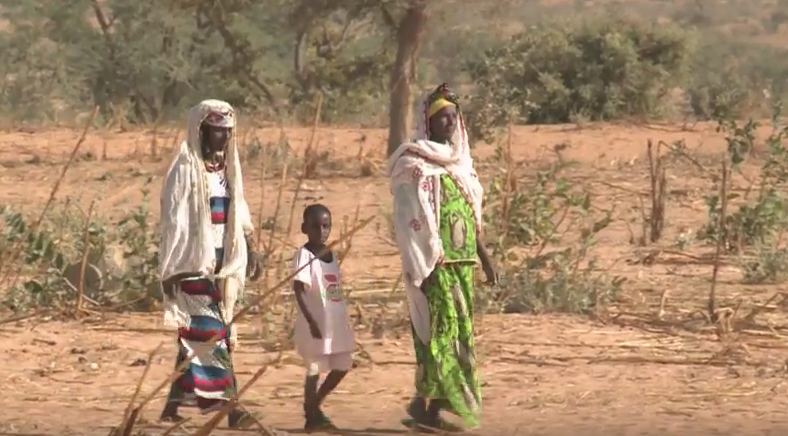
This video series about Dimitra Clubs was produced to highlight the strengths and uniqueness of this gender-sensitive participatory communication approach. The approach has been developed by the Food and Agriculture Organization (FAO) Dimitra project, a gender sensitive information and participatory communication project that contributes to the empowerment of rural populations, women and youth in particular.
Since 2006, 1500 FAO-Dimitra Clubs have been set up in Burundi, DR Congo, Ghana, Mali, Niger, and Senegal. Dimitra Clubs are groups of women, men and young people – mixed or not – who get organised to work together to bring about changes in their communities. They meet regularly to discuss the challenges they face in their daily lives, make decisions, and take collective action to resolve their problems. The clubs are set up with the support of FAO and may be equipped with mobile phones and a solar powered radio as a relay to increase the communication flow, provide access to information and knowledge, and raise awareness on themes that have been identified and requested by the clubs themselves, such as agricultural practices, food security, gender issues, access to water, land, sanitation, health, etc. Filmed in Niger and the Democratic Republic of the Congo, the series was produced by Esprit Libre Production and the FAO-Dimitra team.
The video are as follows:
Community Mobilization - DR Congo and Niger (6’20): This video shows how club members’ resourcefulness and determination to improve their livelihoods have generated a new momentum that has affected the rest of their communities. The video also explores the collaborations between the clubs and other development actors, such as rural institutions.
Women Leaders - DR Congo and Niger (6’50): This video presents four rural women: Djamila, Souweyba, Maguy and Myriam and shows how they have gradually built up their capacities, self-confidence and leadership as a result of the Dimitra Clubs.
Access to Water and Land - Niger (6’34): This video shows how the clubs in Niger have been crucial in ensuring women’s access to land and water, while contributing to nutrition, food security, gender equality and the reduction of rural poverty at the same time.
Food Security and Nutrition - DR Congo (6'53): The video demonstrates the key role of the clubs in the Province of Tshopo (DR Congo) removing food-related taboos that are damaging to women and enabling everyone to play a role in rural development, thereby improving food security and nutrition and promoting gender equality for men, women and youth.
English and French
FAO-Dimitra website on December 12 2016, and email from the Dimitra Team on December 12 2016 and March 21 2017.
- Log in to post comments