










































1 minute
Life Skills and Health Curriculum for the Adolescent Girls Empowerment Program (AGEP)
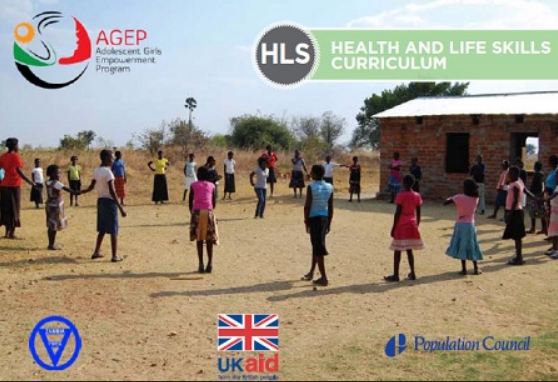
This curriculum was designed for weekly "safe space meetings" as part of the Adolescent Girls Empowerment Program (AGEP), which is being piloted and implemented by the Population Council and partners in Zambia. It covers a variety of topics including sexual reproductive health, life skills, HIV and AIDS, sexually transmitted infections, gender and gender-based violence, leadership, and human rights.
According to the publication, "Zambian girls are faced with social isolation, economic vulnerability, and lack of appropriate health information and services — factors that prevent a healthy transition from girlhood into womanhood. They are faced with high rates of gender-based violence and unsafe sex — increasing their risk for unwanted pregnancy, HIV infection, and school dropout. This leads to a lack of economic resources and income-generating options, and a general lack of agency in shaping their lives. The root cause of these vulnerabilities is largely determined by girls’ weak social, health, and economic assets." AGEP is working to build the social assets as an interconnected approach towards mitigating girls’ vulnerabilities.
This curriculum was produced to help support the weekly meetings of the girls, which are a core component of the programme, and are led by a female mentor from the same community. It uses participatory teaching methods, such as group discussion, brainstorming, role-play, small group work, educational games, and storytelling.
The toolkit contains the following contents:
- Introductory Sessions
- Reproductive Health
- Life Skills
- HIV, AIDS, and STIs
- Gender and Gender-Based Violence
- Leadership
- Human Rights
English
312
Population Council website on May 10 2014.
- Log in to post comments