











































OVERVIEW AND GAPS: Policy, Strategy, and Investment Implications - SBC Direct Impact Evidence
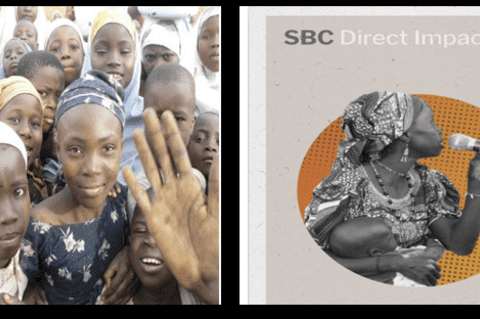
As highlighted in the introduction and on the Direct Impact site, the criteria for inclusion in the database that informs the policy, strategy, and investment implication priorities outlined above are very strict. The goal is to ensure that there can be few external criticisms. The data all come from large-scale RCTs or systematic reviews that have been subject to peer review through the publication process for very respected journals. The oldest date for any of the selected publications is 2010, so the data relate to current conditions. There is a numeric data point: Impact is quantified and easily explained. That impact relates to a programming initiative or natural process (e.g., a social movement) that is related to social change and/or behaviour change.
At this time (we are looking for more), 108 studies meeting those criteria have been identified and included. As this is UNICEF-supported and -focused work, there may be a tendency toward that organisation’s strategic priorities (though those are of course broad in their scale and scope). There was also a stress on research from and related to the Global South.
Within the focus outlined in the two paragraphs above, is there anything we can learn about the state of the impact data for social change and behaviour change? What lessons emerge, for example, around: the balance across the Sustainable Development Goals (SDGs); the prevalence of particular SBC strategies; the range across different countries and regions; and the focus on particular media? From the filtering process on the site, some of the relevant data include:
By Region South Asia (37) East Africa (19) Southern Africa (13) South-east and East Asia (5) Central Africa (4) North America (3) South America (2) Western Europe (2) Middle East (1) North Africa (1) South Pacific (1) | By Issue Health (59) Children (54) Gender (33) Youth (23) Rights (22) Nutrition (21) Women (21) Immunisation and Vaccines (16) Reproductive Health (14) Education (12) Economic Development (9) HIV/AIDS (9) Equity (6) Family Planning (4) Conflict (3) Malaria (3) COVID (2) Natural Resource Management (2) Polio (I2) Climate Change, Corruption, Debt Relief, Democracy and Governance, Employment, Environment, Freedom of Expression and Information, Journalist Safety, Media Development and Risk Management (all 1) | By Strategy Community Engagement (47) Interpersonal (43) Behavioural Insights (16) News and Accurate Information (16) Dialogue, Debate and Conversation (13) School Curricula (13) Voice of Most Affected (5) Access to Services (3) Networks and Networking (3) Social Movement (3) Entertainment (2) Social Marketing (1) Stories (1) | By SDG SDG 1: No Poverty (6) SDG 2: No Hunger (21) SDG 3: Good Health (89) SDG 4: Quality Education (11) SDG 5: Gender Equality (21) SDG 6: Clean Water and Sanitation (4) SDG 7: Affordable and Clean Energy SDG 8: Good Jobs and Economic Growth (1) SDG 9: Industry, Innovation and Infrastructure (0) SDG 10: Reduced Inequalities (21) SDG 11: Sustainable Cities and Communities (1) SDG 12: Responsible Consumption and Production SDG 13: Climate Action SDG 14: Life Below Water (1) SDG 15: Life on Land (2) SDG 16: Peace and Justice (7) SDG 17: Partnerships for the Goals (0) |
There is considerable balance, and, of course, many of the studies cover a number of issues, countries, strategies, and SDGs. But there are also some obvious gaps. Examples include climate action, entertainment, North Africa, and risk management.
We very much look forward to both the ways in which:
A. The data and strategic insights outlined in this paper are used to advance the effectiveness and scale of social change and behaviour change action to advance positive change across all communities and all development issues; and
B. The conversation, debate, and dialogue that follow related to the policy, strategy, and investment argument implications of the high-level and compelling data presented.
Warren Feek
Executive Director
The Communication Initiative
April 3rd, 2023
Links to other strategic and investment Implications
INTRODUCTION: Policy, Strategy, and Investment Implications - SBC Direct Impact Evidence
DIGITAL NETWORKS - Policy, Strategy, and Investment Implication 4 from the Direct Impact Evidence
... and this specific look at the implications for action on a 2 key child protection concerns.
FEMALE GENITAL MUTILATION and CHILD MARRIAGE: Impact Data with Action Implications