










































SOCIAL SHAKES - rethinking the core principles for principled and effective development action
The Communication Initiative
We are all familiar with the tremors linked to earthquakes. Pressure builds. Plates move. They slide against each other. The earth shakes. Bits of the terrain change. This process continues. The fault lines continue to produce change.
The world also experiences social shakes. People, communities, groups and organisations become active and organised on the issues and conditions about which they have passion and interest. Others, from their perspectives and interests, resist the change being promulgated. Pressure builds through engagement, debate, dialogue, organisation, conversation, argument, information being developed, decisions made, positions taken and media engaged. For better or worse, depending on your perspective and interest(s), things are shaken up a little. The social terrain changes; the process continues,
At the global and national level, the last 100 years have seen some major social shakes: the civil rights movement, the women's movement, growth of representative and accountable political systems, increased openness on sexuality-related themes, more prominent focus on rights, tobacco moving from cool to disdained, decreases in family size, gay rights and marriage, the substantial focus on environmental concerns, and much more. Like the physical shakes, these changes have not taken place everywhere.
Every community in the world (and maybe every family) will also have had doses of the shakes. They could all be different. But be it new transport links making access to other experiences easier; changing norms related to who can be involved in decision-making; new knowledge entering the local dialogue through local radio, wireless access and other media and communication processes; market and technology changes affecting employment and income patterns; more families moving to cities with the resultant effect on cultural communication patterns and norms; the roles of girls and boys being challenged internally and externally to communities and families; or a myriad or other changes - families and communities are shaking things up or being shaken up a little. Change happens and is happening. As an example, witness the changing roles and expectations of girls and women over time.
These changes have produced real impact. That cannot be denied. And that change has been at huge scale - also undeniable. It is also the kind of change that underpins, drives, strengthens and sustains progress across a broad range of specific goals. For example, the women's movement and the rights of women have been crucial for the full range of Development goals in the past - and they are essential for further, accelerated progress moving forward. Future Development progress, be it the Sustainable Development Goals (SDGs) or any other measure of positive change, requires more than a few social shakes. We need the kind of social change demonstrated by the examples above.
Most of these social changes have communication as a central and crucial strategic element of the progress obtained. In many cases, that is all there was - just communication. So, from a communication perspective, what can we learn from these social shakes for effective communication on the priority local, national and international Development priorities? In order to do this, we need to start with an understanding of communication. How communication is understood is vitally important for both the analysis of past progress and challenges and for a full consideration of the communication strategic options available for all our work, now and tomorrow.
The next section in this paper is WHOSE VOICE?
Editor's note: Above is the beginning excerpt from Warren Feek's paper "SOCIAL SHAKES - rethinking the core principles for principled and effective development action". You can navigate between sections of the full paper by clicking on the links within the Table of Contents, below.
TABLE OF CONTENTS
DRIVING FORCES FOR MAJOR DEVELOPMENT CHANGES
FAMILY SIZE / FERTILITY TRENDS
OVERALL SOCIAL CHANGE - the new terrain we walk
PRINCIPLES FOR EFFECTIVE COMMUNICATION STRATEGIES
IMPACT: THE RESEARCH AND EVALUATION DATA
STRATEGY AND RESOURCE ALLOCATIONS....What does this all add up to?
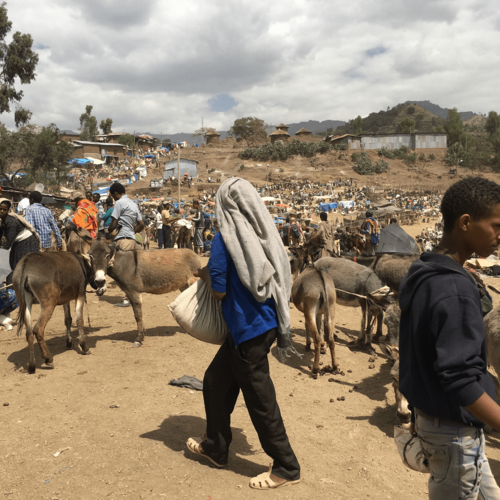
Image credit: Warren Feek
- Log in to post comments