










































WHOSE VOICE? - Social Shakes
The Communication Initiative
Below is part of an overall paper called "SOCIAL SHAKES - rethinking the core principles for principled and effective development action" - the full Table of Contents is here.
WHOSE VOICE?
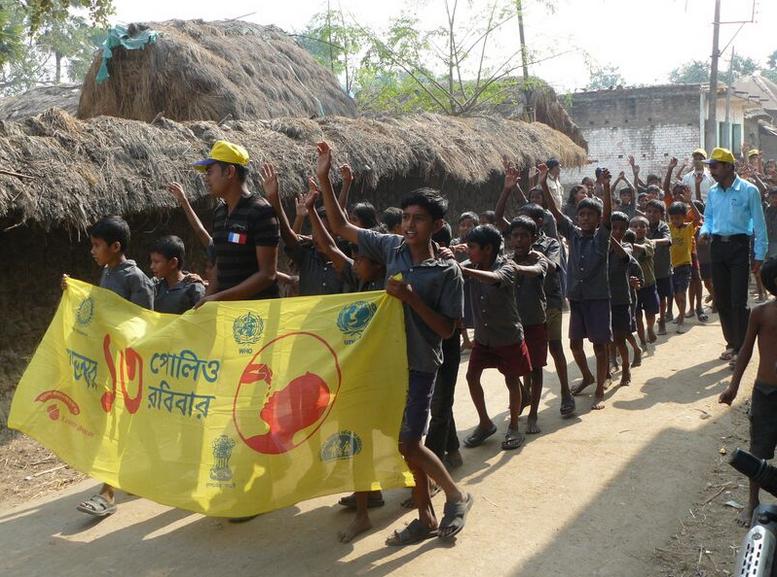
Communication and public engagement have played a major role in the progress achieved across a range of local, national and global Development issues - from expanding and deepening human rights to addressing HIV/AIDS and from increasing the number of participatory country governance processes to polio eradication. Blame can be apportioned to either the absence of relevant and effective communication and/or poor communication choices for those stubborn issues on which it is proving difficult to move the Development needle. But getting communication, media, social change, informed and engaged societies strategies effectively implemented means addressing the problem of who is a communicator?
There is a common impression in local, national and international Development that because professional people from all disciplines can talk, write, phone, type and "chat"...therefore, everyone is a communicator. That, of course, is not the case. Strategic communication to achieve Development goals requires very sophisticated skills and knowledge. Because we can all handle a knife does not mean we are all surgeons. Closer to our Development home, because we can all count does not mean we are all statisticians.
But people directly experiencing development issues - those who are directly affected - are communication experts. The voice they give to their intimate experiences and analysis is vital for change on any issue - as are the communication skills they exercise to consult, review, assess and organise related to their peers and the issues they have in common. That is also communication in action.
It is that nexus of intimate voice and professional communication expertise that produces the sophisticated strategies required for change. Think, for example, of the communication process around a really major social change process such as the civil rights movement in the United States. Here, as elsewhere, intimate voice is absolutely essential. Professional communication strategies in support provide huge added value. The same applies to the environmental movement that is also part of a substantial social change process that we are all probably just commencing. The women's movement - we see the same.
How do we justify these statements? What have we learned about the required local, national and international policies and funding priorities for more effective Development action? From these experiences, what core communication principles appear as essential for Development policies from local wards and districts, through governments, to major international organisations?
The answers follow in the analysis below. But as a warning, hopefully not a "spoiler", the answers are not the normally understood and referred-to communication strategies and actions. Messages, media channels, individual behaviour change and supportive environments, for example, do not feature. There are much more significant rumbles happening.
The next section in this paper is DRIVING FORCES FOR MAJOR DEVELOPMENT CHANGES.
The previous section in this paper is SOCIAL SHAKES [opening page].
Editor's note: Above is an excerpt from Warren Feek's paper "SOCIAL SHAKES - rethinking the core principles for principled and effective development action".
The full table of contents for this paper can be accessed at the bottom of the opening page.
Image credit: Chris Morry, The Communication Initiative
- Log in to post comments